Taxonomy
Plantae Tracheophytes Angiosperms Monocots Alismatales
Water-plantain Single-seed-leaf Enclosed-seed Windpipe-plant Plant
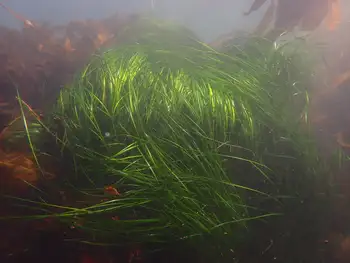
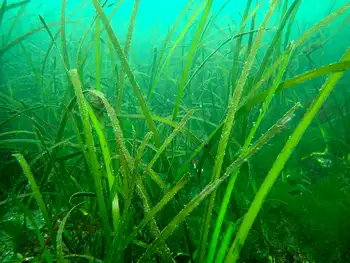
Plants are mainly multicellular organisms, predominantly photosynthetic eukaryotes of the kingdom Plantae. Historically, plants were treated as one of two kingdoms including all living things that were not animals, and all algae and fungi were treated as plants. However, all current definitions of Plantae exclude the fungi and some algae, as well as the prokaryotes (the archaea and bacteria). By one definition, plants form the clade Viridiplantae (Latin name for "green plants"), a group that includes the flowering plants, conifers and other gymnosperms, ferns and their allies, hornworts, liverworts, mosses, and the green algae, but excludes the red and brown algae.
Plantae. Retrieved May, 08 2021, from en.wikipedia.org/wiki/Plant.
Vascular plants (from Latin vasculum: duct), also known as Tracheophyta (the tracheophytes, from Greek τραχεῖα ἀρτηρία trācheia artēria 'windpipe' + φυτά phutá 'plants'), form a large group of plants (c. 300,000 accepted known species) that are defined as land plants with lignified tissues (the xylem) for conducting water and minerals throughout the plant. They also have a specialized non-lignified tissue (the phloem) to conduct products of photosynthesis. Vascular plants include the clubmosses, horsetails, ferns, gymnosperms (including conifers) and angiosperms (flowering plants). Scientific names for the group include Tracheophyta,: 251 Tracheobionta and Equisetopsida sensu lato. Some early land plants (the rhyniophytes) had less developed vascular tissue; the term eutracheophyte has been used for all other vascular plants.
Tracheophytes. Retrieved November, 05 2021, from en.wikipedia.org/wiki/Vascular_plant.
Flowering plants are members of the clade Angiospermae, commonly called angiosperms. The term "angiosperm" is derived from the Greek words angeion ('container, vessel') and sperma ('seed'), and refers to those plants that produce their seeds enclosed within a fruit. They are the most diverse group of land plants with 64 orders, 416 families, approximately 13,000 known genera and 300,000 known species. Angiosperms were formerly called Magnoliophyta. Like gymnosperms, angiosperms are seed-producing plants. They are distinguished from gymnosperms by characteristics including flowers, endosperm within their seeds, and the production of fruits that contain the seeds.
Angiosperms. Retrieved November, 05 2021, from en.wikipedia.org/wiki/Flowering_plant.
Monocotyledons, commonly referred to as monocots, (Lilianae sensu Chase & Reveal) are grass and grass-like flowering plants (angiosperms), the seeds of which typically contain only one embryonic leaf, or cotyledon. They constitute one of the major groups into which the flowering plants have traditionally been divided, the rest of the flowering plants having two cotyledons and therefore classified as dicotyledons, or dicots.
Monocots. Retrieved November, 05 2021, from en.wikipedia.org/wiki/Monocotyledon.
The Alismatales (alismatids) are an order of flowering plants including about 4500 species. Plants assigned to this order are mostly tropical or aquatic. Some grow in fresh water, some in marine habitats.
Alismatales. Retrieved November, 05 2021, from en.wikipedia.org/wiki/Alismatales.